About the editors
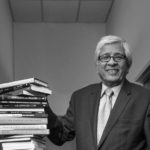
Salman Akhtar, MD, is Professor of Psychiatry at Jefferson Medical College and a Training and Supervising Analyst at the Psychoanalytic Center of Philadelphia. He has served on the editorial boards of the International Journal of Psychoanalysis, the Journal of the American Psychoanalytic Association, and the Psychoanalytic Quarterly. His more than 400 publications include 105 books, of which the following 22 are solo-authored: Broken Structures (1992), Quest for Answers (1995), Inner Torment (1999), Immigration and Identity (1999), New Clinical Realms (2003), Objects of Our Desire (2005), Regarding Others (2007), Turning Points in Dynamic Psychotherapy (2009), The Damaged Core (2009), Comprehensive Dictionary of Psychoanalysis (2009), Immigration and Acculturation (2011), Matters of Life and Death (2011), The Book of Emotions (2012), Psychoanalytic Listening (2013), Good Stuff (2013), Sources of Suffering (2014), No Holds Barred (2016), A Web of Sorrow (2017), Mind, Culture, and Global Unrest (2018), Silent Virtues (2019), Tales of Transformation (2021), and In Leaps and Bounds (2022).
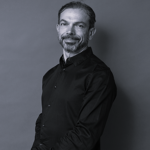
Cüneyt İşcan, MD, is a board-certified psychiatrist and psychoanalyst. He earned his medical degree from Ankara University School of Medicine in Turkey in 1990. He completed his psychiatry residency training at Gazi University School of Medicine and the University of Michigan. He received the Wyeth-Ayerst American Association of Directors of Psychiatric Residency Training (AADPRT) International Medical Graduate Award in Psychiatry in 2001. His studies continued at the Austen Riggs Center in Stockbridge, Massachusetts, a center specializing in the treatment of resistant psychiatric conditions and the application of psychoanalytic treatments. He pursued his psychoanalytic training at the Boston Psychoanalytic Society and Institute. He is currently a faculty and an active member of this institute and the American Psychoanalytic Association. He has been an assistant professor of psychiatry at the University of Massachusetts Medical School since 2001, and is actively involved in residency training and supervision. He has numerous publications in the form of books, book chapters, and scientific papers in English and Turkish focusing on psychoanalysis, applications of psychoanalytic theory in clinical work, and personality disorders. He is the author of the first book about self-psychology that was published in Turkish. Among his translations to Turkish were Heinz Kohut’s Analysis of the Self as well as Gedo and Goldberg’s Models of the Mind. He has written book chapters on the biology of personality disorders, residential treatment of personality disorders, food and sexuality, and fatherhood in Turkish culture. He has written about violence in postmodern society and violence and sexuality in cinema from the psychoanalytic perspective. His numerous book reviews have been published in various psychoanalytic journals. He is on the editorial board of the American Journal of Psychoanalysis.
 Süreyya İşcan, PhD, is a psychologist and board-certified psychoanalyst whose work bridges developmental science, psychoanalytic theory, and clinical practice. She earned her MA in educational psychology and PhD in developmental psychology from Ankara University in Turkey, followed by a second MA and PhD in clinical psychology from Fielding Graduate University in Santa Barbara, California. Dr. İşcan worked as a postdoctoral research associate at the University of Michigan and pursued advanced training in psychodynamic research at the Yale Child Study Center and the Anna Freud Centre. She later served as a research associate at the Austen Riggs Center in Stockbridge, Massachusetts, where she deepened her engagement with psychoanalytic treatment and research. She is a graduate of the Boston Psychoanalytic Society and Institute (BPSI), where she currently serves as vice chair of the Curriculum Committee. Dr. İşcan is associate professor of psychiatry and director of psychotherapy education at UMass Chan Medical School in Worcester, Massachusetts. A dedicated educator, she is a three-time recipient of the Paul B. Barreira Teaching Award (2016, 2018, 2019). Her scholarly work spans psychoanalytic research, psychodynamic psychotherapy, and the study of sexuality, reflecting her ongoing commitment to integrating clinical insight with empirical inquiry.



ALEKSANDAR DIMITRIJEVIĆ, Ph.D. Lecturer, International Psychoanalytic University, Berlin, Coeditor of ‘Encountering Silencing: Forms of Oppression in Individuals, Families and Communities’ –
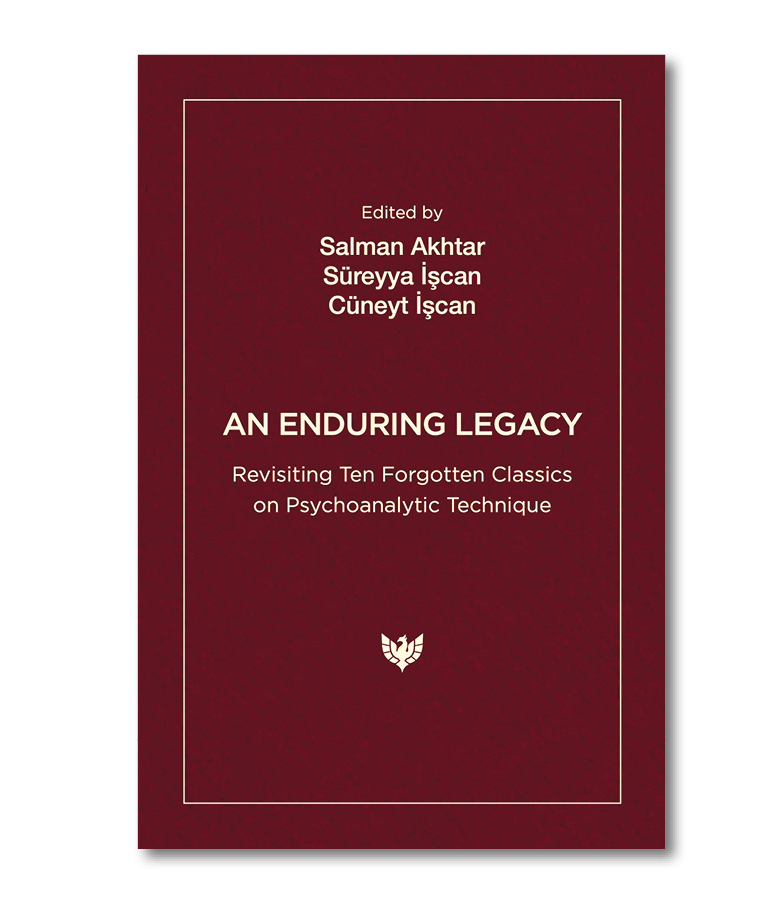
‘Psychoanalytic legacy has constantly been contested by critics, historians, and contemporary psychoanalysts themselves. Notwithstanding that, the editors of this volume have selected ten exquisite papers by the early masters, framing each with informative introductions and scholarly reassessments of their relevance and limitations. A book to be savoured, at a time when you thought there was nothing left in the history of psychoanalysis to surprise and inspire you.’
MARY KAY O’NEIL, Ph.D. Training and Supervising Analyst, Toronto Institute of Psychoanalysis, Author of ‘Mothering Alone: A Plea for Opportunity’ –
‘This book draws together the clinical thinking of ten important early contributors to psychoanalysis. It allows the readers to refresh their knowledge of the lives and works of these pioneers while focusing sharply on one paper by each of them. More importantly, it compares and contrasts the technical suggestions contained in these early papers with the viewpoint of contemporary psychoanalysis. An Enduring Legacy thus makes many forgotten but therapeutically useful insights of early analysis easily accessible to today’s clinicians. A great gift indeed!’
CORDELIA SCHMIDT-HELLERAU, Ph.D. Training and Supervising Analyst, Boston Psychoanalytic Society and Institute, Author of ‘Life Drive & Death Drive, Libido & Lethe’ –
‘As psychoanalysis increasingly ventures into new areas, it is important to go back and read the works of the pioneers in our field. The carefully introduced and discussed papers in this excellent selection breathe an openness and enthusiasm in their immediate access to clinical work that make this book inspiring for the early career clinicians and invigorating for senior analysts across various schools.’